
How to Prepare for a Teleconsultation – A Practical Guide for Patients

 4 lipiec 2026
 4 lipiec 2026
- What is a teleconsultation and what is the role of the patient and the doctor?
- What does preparation for a teleconsultation involve?
- How to prepare substantively for a medical interview?
- What role does medical documentation play?
- How to prepare electronic equipment and connection?
- Why is a quiet room and appropriate conditions important?
- How to use the telemedicine platform?
- When can a teleconsultation end with an in-person visit?
- Q&A Section
Do you need a prescription, sick leave, or medical consultation?
Order nowHow to prepare for a teleconsultation is a question that directly impacts the quality of remote consultation and the accuracy of medical decisions. Proper preparation of the patient increases the effectiveness of the interview, facilitates diagnosis, and reduces the risk of the need for a follow-up, in-person visit. Research on telemedicine clearly shows that a well-prepared teleconsultation is qualitatively comparable to an in-office visit.
- Technical and substantive preparation determines the quality of the teleconsultation.
- The medical interview is a key element of remote diagnosis.
- Incomplete information from the patient lowers the safety of treatment.
- Good conversation conditions improve communication with the doctor.
See also: How to quickly, effectively, and stress-free realize an e-prescription?
What is a teleconsultation and what is the role of the patient and the doctor?
A teleconsultation is a legitimate form of health service provided remotely, where the patient and doctor remain in direct contact without a physical meeting. Its effectiveness depends on the quality of communication and the completeness of the information conveyed.
The doctor is responsible for assessing the health condition and making medical decisions, while the patient is the main source of clinical data. Studies indicate that an inaccurate description of symptoms or lack of information about medications taken significantly reduces the accuracy of the diagnosis.
Therefore, a teleconsultation requires an active attitude from the patient and conscious preparation for the conversation.
What does preparation for a teleconsultation involve?
Preparation for a teleconsultation includes both technical and substantive aspects. The goal is to create conditions in which the doctor can conduct a thorough medical interview.
Research on the quality of remote consultations shows that patients prepared for the conversation provide more organized information, which shortens the consultation time and improves its effectiveness. Preparation does not require specialized knowledge, but a conscious approach.
It is crucial to plan the teleconsultation so that nothing distracts the attention of either the patient or the doctor.

How to prepare substantively for a medical interview?
The medical interview is the basis of every diagnosis in a teleconsultation. It is based on this that the doctor assesses the appropriateness of treatment, issuing a prescription, or referral.
Before the teleconsultation, it is worth:
- Writing down current symptoms, their duration, and severity.
- Preparing a list of medications currently taken and those taken recently.
- Noting information about chronic diseases and previous diagnoses.
Clinical studies confirm that an organized interview significantly reduces the risk of diagnostic errors, especially in remote consultations.
What role does medical documentation play?
Medical documentation is an important supplement to the information conveyed orally. This is particularly relevant for patients with chronic diseases or those who have recently been hospitalized.
It is advisable to have test results, hospital discharge summaries, or recommendations from other doctors on hand. Studies show that access to documentation improves the continuity of care and helps avoid duplicating tests.
If the telemedicine platform allows for file or photo uploads, they should be prepared in advance to avoid wasting time during the consultation.
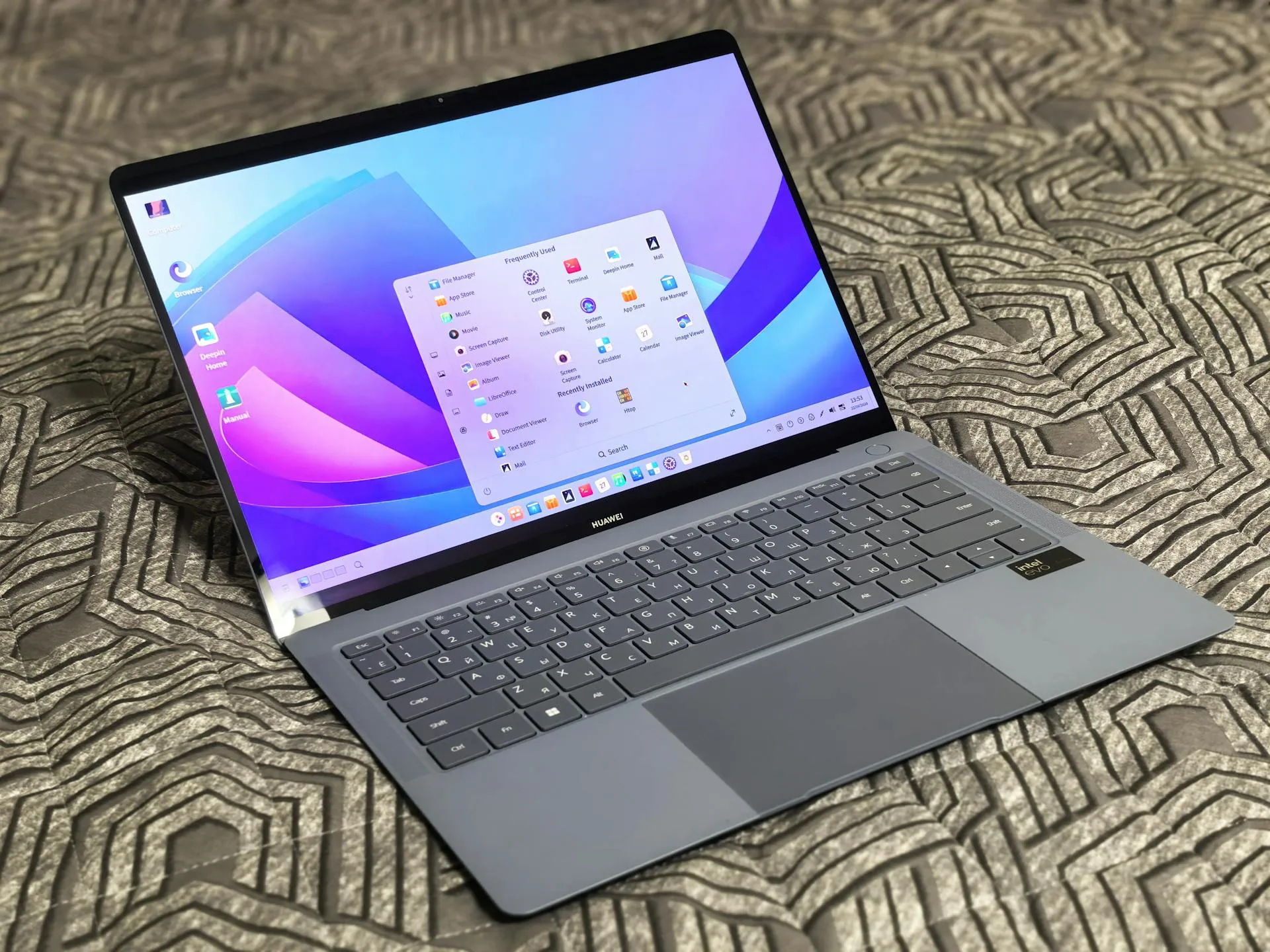
How to prepare electronic equipment and connection?
The technical aspect is crucial for the smooth course of the teleconsultation. Problems with sound or image can hinder communication and lower the quality of the interview.
Before the teleconsultation, one should:
- Check the stability of the internet connection.
- Ensure that the microphone and camera are working properly.
- Install or update the mobile app or browser.
Research on telemedicine indicates that technical problems are one of the main reasons for patient dissatisfaction with teleconsultations, despite proper medical assessment.
Why is a quiet room and appropriate conditions important?
The conditions in which the teleconsultation takes place affect concentration and the quality of the conversation. A quiet room limits distractions and allows for a free discussion of health issues.
Good lighting is especially important during a video call when the doctor can assess the patient’s appearance or skin changes. Studies show that improving acoustic and visual conditions increases the effectiveness of doctor-patient communication.
It is also worth ensuring privacy to be able to answer the doctor’s questions freely.
How to use the telemedicine platform?
The telemedicine platform is a technical tool that enables contact with the doctor. Before the teleconsultation, it is advisable to familiarize oneself with its operation to avoid stress during the conversation.
One should check:
- The method of logging in and starting the visit.
- The possibility of sending documents or photos.
- The form of contact – phone, video call, or chat.
Research indicates that familiarity with the platform shortens the organizational time of the visit and allows focusing on health issues.

When can a teleconsultation end with an in-person visit?
Not every ailment can be safely assessed remotely. A teleconsultation often serves as a preliminary…of patient selection.
The doctor may recommend an in-person visit if:
- Symptoms require a physical examination
- Information from the interview is insufficient
- There is suspicion of a more serious condition
Studies show that such an approach increases patient safety and should not be seen as a failure of teleconsultation.
Q&A Section
Do I need to prepare for a teleconsultation the same way I would for an in-office visit?
Yes, the range of medical information is similar; only the form of contact changes.
Does the lack of a camera prevent a teleconsultation?
Not always, but video can facilitate the assessment of certain symptoms.
Can I interrupt the teleconsultation if technical problems occur?
Yes, you should then contact the facility and determine the next steps.
Sources
- Greenhalgh T, et al. Virtual consultations: benefits and limitations. BMJ.
- Kruse CS, et al. Patient preparation and telemedicine outcomes. Journal of Medical Internet Research.
- Ekeland AG, et al. Effectiveness of telemedicine interventions. International Journal of Medical Informatics.
