
How to Prepare a Home First Aid Kit – Essential Elements and Safe Storage Guidelines

 4 lipiec 2026
 4 lipiec 2026
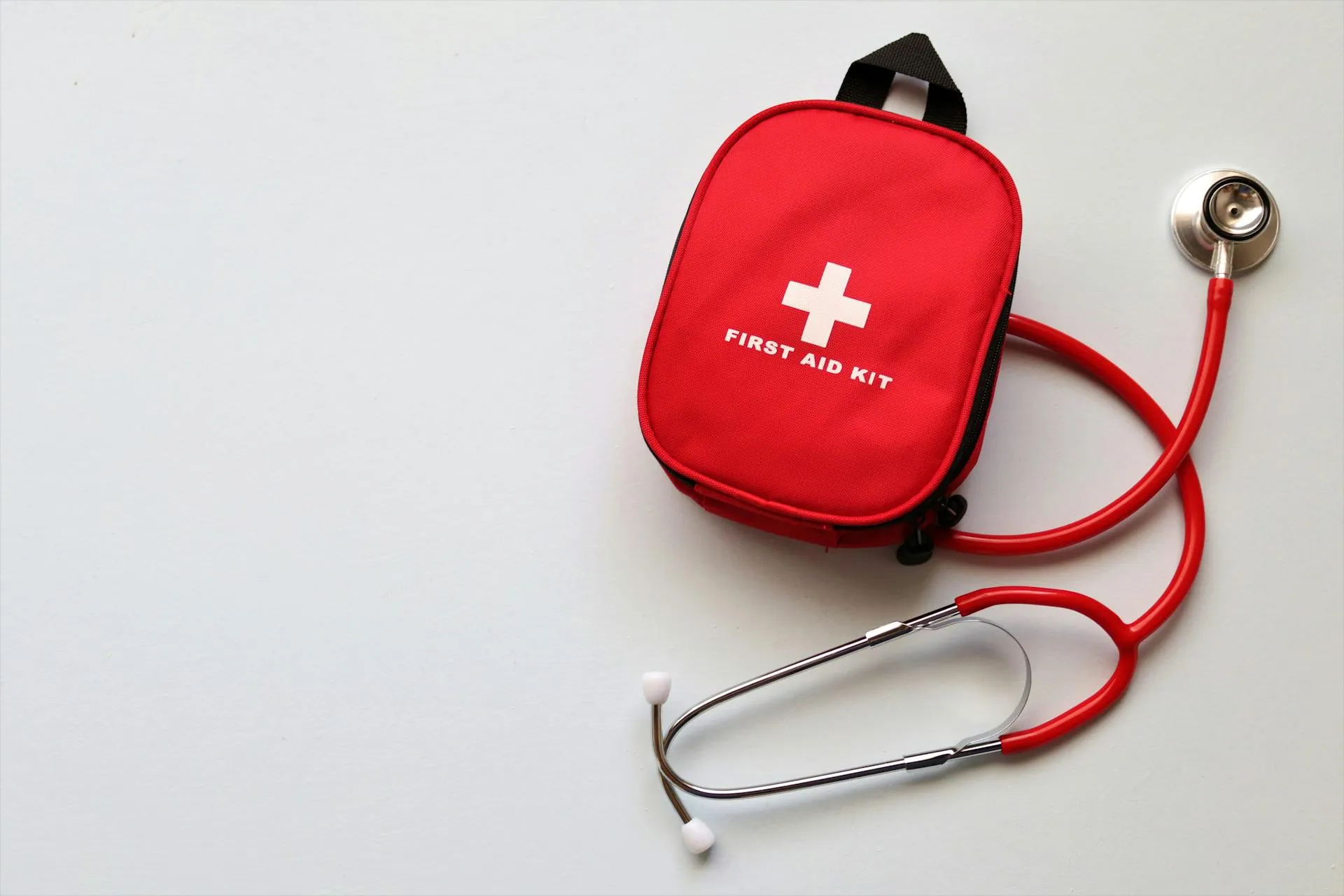
- What should a home first aid kit contain?
- What dressing materials should be in the first aid kit?
- What basic medications are worth having at home?
- What disinfectants and medical equipment are worth having in the first aid kit?
- How to properly store medications in a home first aid kit?
- Questions and Answers Section
Do you need a prescription, sick leave, or medical consultation?
Order nowHow to prepare a home first aid kit is an important question for health safety in everyday situations requiring quick assistance. Preparing a home first aid kit according to medical recommendations means equipping it with basic medications, dressing materials, and disinfectants. Research on first aid indicates that a properly prepared home first aid kit can facilitate quick responses in case of minor injuries or sudden ailments.
- A home first aid kit should contain basic medications, dressing materials, and antiseptics.
- Proper storage of medications affects their effectiveness and safety of use.
- The contents should be regularly checked for expiration dates.
- The kit should be tailored to the needs of household members, including children and seniors.
See also: Is an e-prescription one-time? Check key information!
What should a home first aid kit contain?
A home first aid kit should include a set of basic medications and dressing materials that allow for first aid in typical health situations.
Properly prepared supplies enable quick responses in case of minor injuries, pain, or symptoms of infection. Medical literature emphasizes that access to basic medical supplies at home increases the health safety of household members.
The contents of the first aid kit should include both supplies used for mechanical injuries and preparations used to treat the most common ailments.
The most important elements of the kit include:
- Dressing materials
- Basic pain relievers and antipyretics
- Wound disinfectants
- Tools helpful in providing first aid
What dressing materials should be in the first aid kit?
Dressing materials are a basic element of every home first aid kit.
They are used in cases of cuts, abrasions, and other minor injuries requiring wound protection. Their purpose is to protect the damaged skin from infection and support the healing process.
The basic dressing materials include:
- Adhesive bandages for securing minor wounds
- Sterile gauze for cleaning and securing wounds
- Elastic bandages used for joint injuries
- Triangular bandages used for immobilizing limbs
Additionally, the first aid kit may also include tools helpful during first aid, such as blunt-ended scissors.
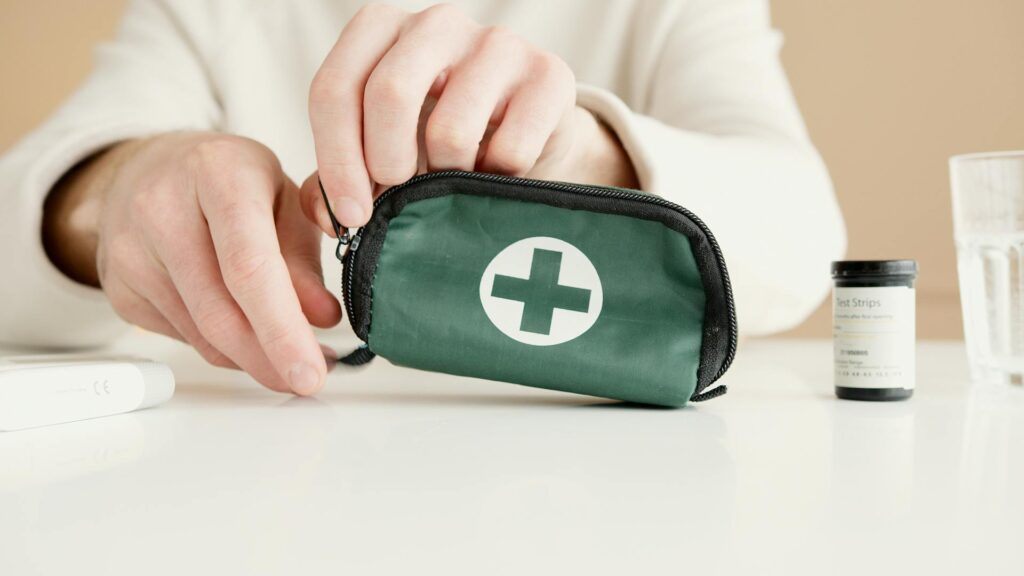
What basic medications are worth having at home?
Basic medications in a home first aid kit should allow for the treatment of the most common ailments.
The most commonly used are pain relievers and antipyretics, which can be used in cases of headaches, infections, or cold symptoms.
The most commonly used medications include:
- Paracetamol used for treating pain and fever
- Ibuprofen exhibiting pain-relieving and anti-inflammatory effects
- Activated charcoal used for gastrointestinal complaints
- Electrolytes used for dehydration related to diarrhea
These preparations can be used to treat symptoms such as colds, sore throats, or diarrhea.
What disinfectants and medical equipment are worth having in the first aid kit?
An antiseptic is an important element of a home first aid kit, as it allows for the disinfection of skin and wounds.
Such preparations limit the growth of microorganisms at the injury site and reduce the risk of infection. Various antiseptic agents are used in practice.
The most commonly used include:
- Preparations containing antiseptic substances such as Octenisept
- Hydrogen peroxide-based preparations, referred to as hydrogen peroxide
It is also worth including additional equipment in the first aid kit that is helpful in providing first aid:
- A thermometer for measuring body temperature
- Disposable gloves to protect against contact with biological material
- Saline solution used for rinsing wounds or eyes
- Tick removal tools
Some first aid kits also include an NRC thermal blanket, which can be used in cases of sudden body cooling.
How to properly store medications in a home first aid kit?
Storing medications under appropriate conditions is crucial for maintaining their effectiveness and safety of use.
Medications should be stored in a dry place, protected from light, and out of reach of children. Some preparations also require storage at a specific temperature.
Regularly checking the contents of the first aid kit is important from a health safety perspective. Expiration dates should be checked, and preparations that have expired should be removed.
When storing medications, it is worth following a few rules:
- Keep the leaflet that comes with the medication
- Store medications for children and adults separately
- Check the expiration dates of the preparations
- Remove expired medications
expired medications
Expired products should be returned to the pharmacy for safe disposal.
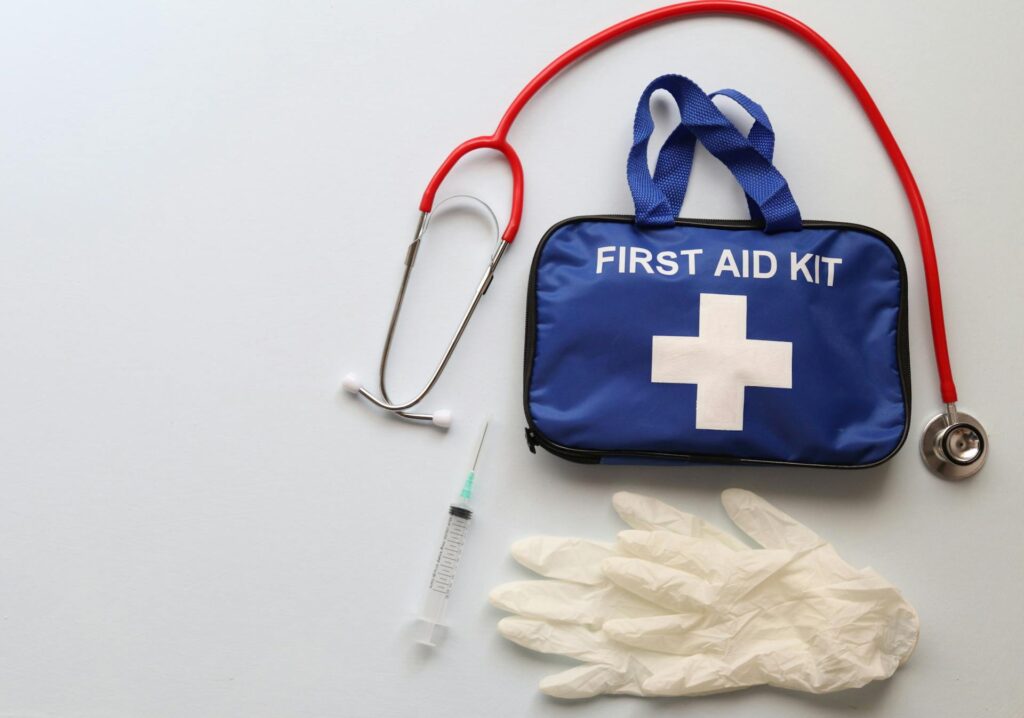
Questions and Answers Section
Why is it worth having a home first aid kit?
A first aid kit allows for quick responses in case of minor injuries or sudden health issues.
How often should the contents of the first aid kit be checked?
It is recommended to regularly check its contents, especially for the expiration dates of medications.
Can expired medications be thrown in the trash?
It is not recommended to throw medications in municipal waste. It is best to return them to the pharmacy for safe disposal.
Where is the best place to store a home first aid kit?
The first aid kit should be stored in a dry place, away from light and out of reach of children.
Sources
- World Health Organization. Guidelines for first aid and emergency preparedness.
- American Red Cross. First Aid Manual.
- Zideman D.A. et al. European Resuscitation Council Guidelines for First Aid. Resuscitation Journal.
- Singletary E.M. et al. Evidence-based first aid guidelines. Circulation.
- European Centre for Disease Prevention and Control. Community health preparedness recommendations.
