
Can infection exacerbate arrhythmias – mechanisms and clinical significance

 4 lipiec 2026
 4 lipiec 2026
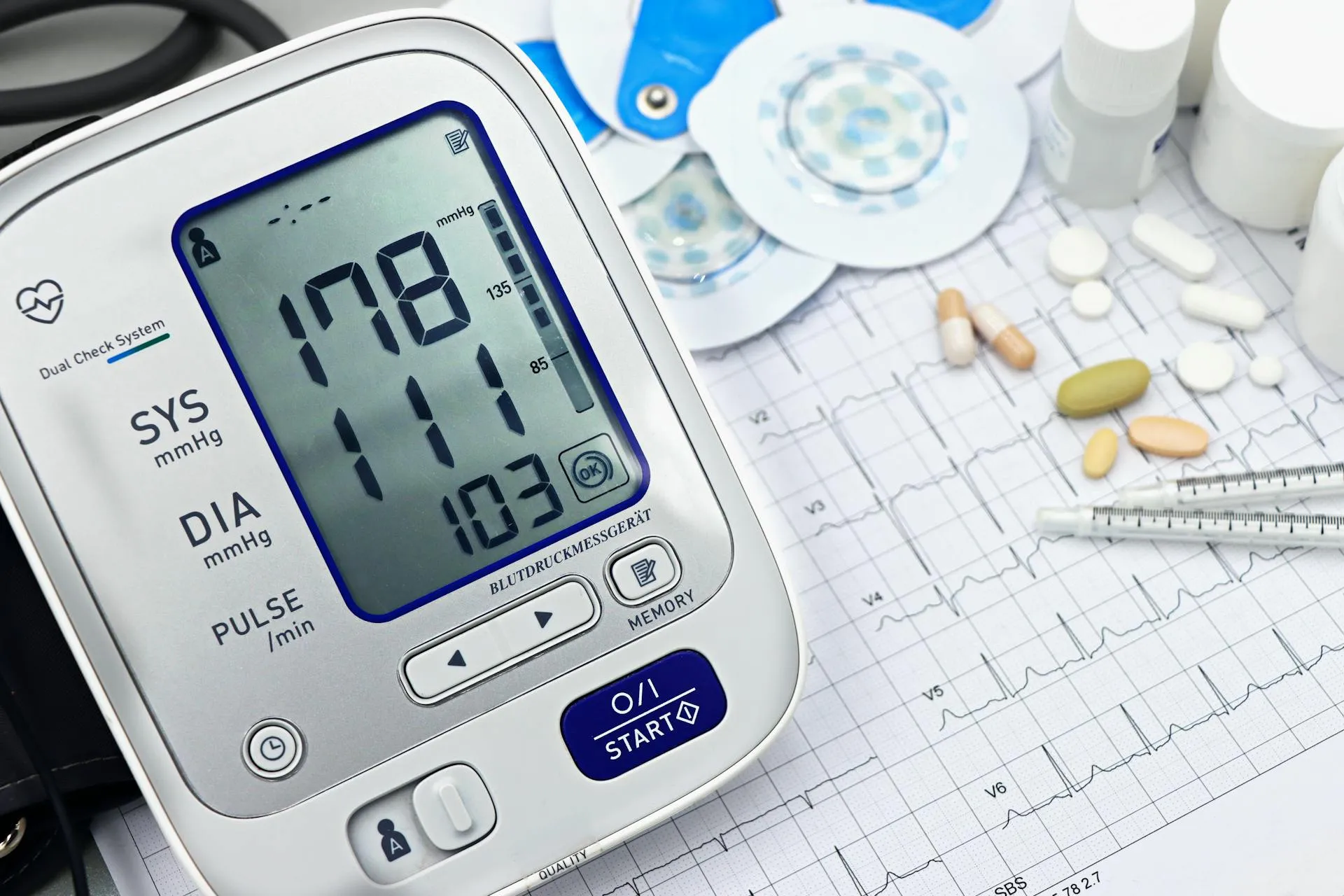
- How does an infection affect arrhythmia and heart rhythm disorders?
- Why do fever and tachycardia increase the risk of arrhythmia?
- How do dehydration and electrolyte disturbances affect the heart?
- Can respiratory infections trigger arrhythmia?
- Can cold medications exacerbate arrhythmia?
- When does arrhythmia during an infection require urgent consultation?
- Can an infection exacerbate arrhythmias: Q&A
Do you need a prescription, sick leave, or medical consultation?
Order nowCan an infection exacerbate arrhythmias? Yes – infections, especially those with a systemic course or affecting the respiratory system, can increase the risk of heart rhythm disorders by influencing inflammation, electrolyte balance, and the burden on the circulatory system.
- An infection can trigger or worsen heart rhythm disorders.
- Fever and tachycardia increase the burden on the heart.
- Dehydration and electrolyte disturbances promote arrhythmia.
- Inflammation and myocarditis can directly damage heart tissues.
- Some medications used for infections may further exacerbate arrhythmia.
See also: Does fever burden the heart – the impact of elevated body temperature on the circulatory system?
How does an infection affect arrhythmia and heart rhythm disorders?
An infection can exacerbate arrhythmia by simultaneously affecting several physiological mechanisms that influence heart function.
During an infection, the immune system is activated, and inflammatory mediators are released, which can affect electrical conduction in the heart. These changes increase the risk of developing heart rhythm disorders.
Additionally, increased metabolism and the burden on the body lead to a higher demand for oxygen and energy, which can destabilize heart function, especially in individuals with chronic diseases.
Why do fever and tachycardia increase the risk of arrhythmia?
Fever and tachycardia increase the risk of arrhythmia by accelerating heart rate and increasing its metabolic demand.
Elevated body temperature causes an increase in heart rate, which can lead to overload of the conduction system. Under such conditions, it is easier for abnormal electrical impulses to occur.
An accelerated heartbeat shortens the resting time of the heart muscle between contractions, which can promote rhythm disturbances, especially in individuals with existing heart conditions.
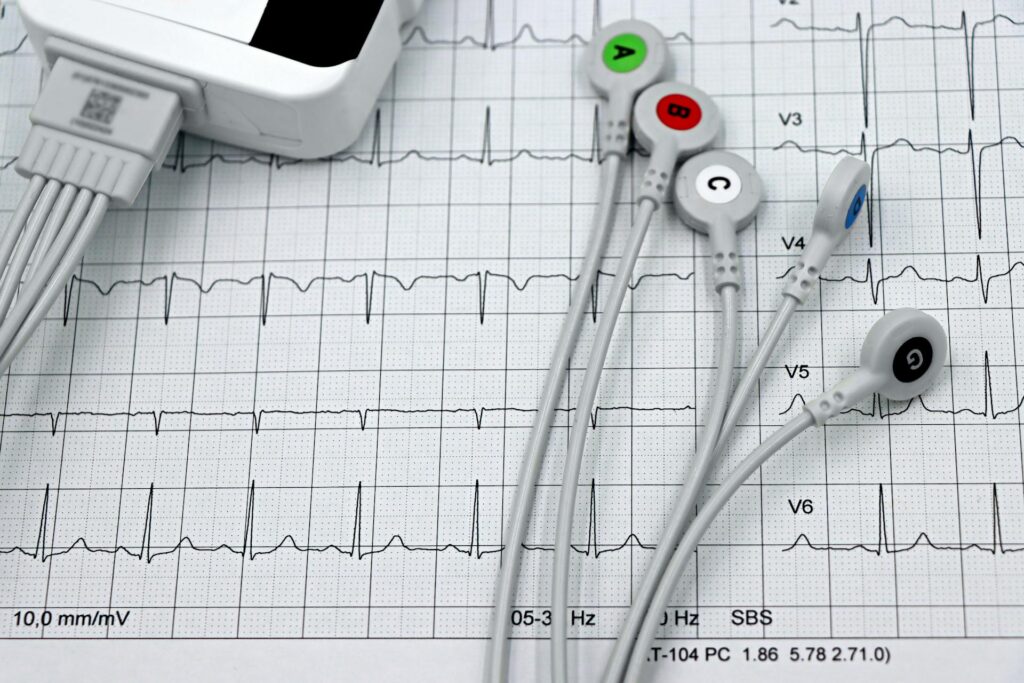
How do dehydration and electrolyte disturbances affect the heart?
Dehydration and electrolyte disturbances affect the heart by altering the concentration of ions crucial for electrical conduction.
Deficiencies in potassium and magnesium can lead to heart rhythm disorders, as these elements are responsible for the proper generation and conduction of electrical impulses.
- A decrease in potassium increases the risk of arrhythmia.
- A magnesium deficiency disrupts the electrical stability of the heart.
- Dehydration exacerbates electrolyte disturbances.
- Electrolyte imbalance affects conduction.
During an infection, especially one accompanied by fever, vomiting, or diarrhea, the risk of these disturbances significantly increases.
Can respiratory infections trigger arrhythmia?
Respiratory infections can trigger arrhythmia by affecting blood oxygenation and the systemic inflammatory response.
Diseases such as influenza, COVID-19, or pneumonia can lead to hypoxia, which disrupts heart function. Oxygen deficiency affects heart muscle cells and can initiate rhythm disturbances.
Additionally, severe infections can lead to myocarditis, which directly damages heart tissues and increases the risk of serious arrhythmias.
Can cold medications exacerbate arrhythmia?
Cold medications can exacerbate arrhythmia, especially if they contain substances that stimulate the sympathetic nervous system.
Pseudoephedrine can increase heart rate and cause palpitations, which in some patients leads to heart rhythm disorders.
The risk is higher in individuals with cardiovascular diseases and in patients taking other medications that affect heart rhythm.
When does arrhythmia during an infection require urgent consultation?
Arrhythmia during an infection requires urgent consultation when accompanied by symptoms indicating hemodynamic disturbances or cardiological complications.
Particular attention should be paid to:
- Prolonged palpitations that persist for an extended period.
- Shortness of breath or a feeling of lack of air.
- Dizziness or fainting.
- Symptoms of heart failure.
In such situations, evaluation by a physician and possible diagnostics are necessary.

Can an infection exacerbate arrhythmias: Q&A
Can every infection trigger arrhythmia?
No, but many infections can increase the risk of its occurrence, especially in individuals with heart diseases.
Can fever cause palpitations?
Yes, this is a common reaction of the body to elevated temperature.
Does COVID-19 affect heart rhythm?
Yes, it can cause both transient and serious rhythm disturbances.
Can dehydration trigger arrhythmia?
Yes, it affects heart function through electrolyte disturbances.
Sources
- Bhatia N. et al., COVID-19 and cardiac arrhythmias, Heart Rhythm, 2020
- Madjid M. et al., Influenza and cardiovascular disease, Circulation, 2020
- Lazzerini P.E. et al., Systemic inflammation and arrhythmias, Nat Rev Cardiol, 2020
- Guo T. et al., Cardiovascular implications of COVID-19, JAMA Cardiology, 2020
- UpToDate, Arrhythmias in systemic illness
