
Emergency contraception from A to Z. A patient guide

 4 lipiec 2026
 4 lipiec 2026
- What is emergency contraception?
- What methods of emergency contraception are available?
- How does the morning-after pill work?
- What is the difference between the copper IUD and the pill?
- How does effectiveness depend on the timing of use?
- What is the availability of emergency contraception in Poland?
- Q&A – frequently asked questions about emergency contraception
Do you need a prescription, sick leave, or medical consultation?
Order nowEmergency contraception from A to Z is a comprehensive overview of methods used to prevent pregnancy after sexual intercourse when other forms of protection have failed or were not used. Emergency contraception is an intervention solution, the effectiveness, mechanism of action, and safety of which have been detailed in scientific studies.
- It does not terminate a pregnancy but prevents it from occurring.
- It primarily works by delaying or inhibiting ovulation.
- Effectiveness directly depends on the timing of use.
- It is legally and medically regulated.
See also: What is the morning-after pill and how does it work? We confirm facts, debunk myths.
What is emergency contraception?
Emergency contraception is a set of methods used after sexual intercourse to prevent pregnancy. Its use is exceptional and pertains to situations such as lack of protection, condom breakage, or other unforeseen events.
According to reviews published in “The Lancet” and “New England Journal of Medicine,” emergency contraception works before fertilization or before implantation, which means it is not a method of terminating a pregnancy. This distinction is crucial from the perspective of evidence-based medicine.
Emergency methods are not intended for regular use and do not replace ongoing contraception.
What methods of emergency contraception are available?
Emergency contraception includes two primary methods with confirmed clinical effectiveness. The choice of method depends on the time elapsed since intercourse and the individual’s health situation.
The most commonly used solutions are:
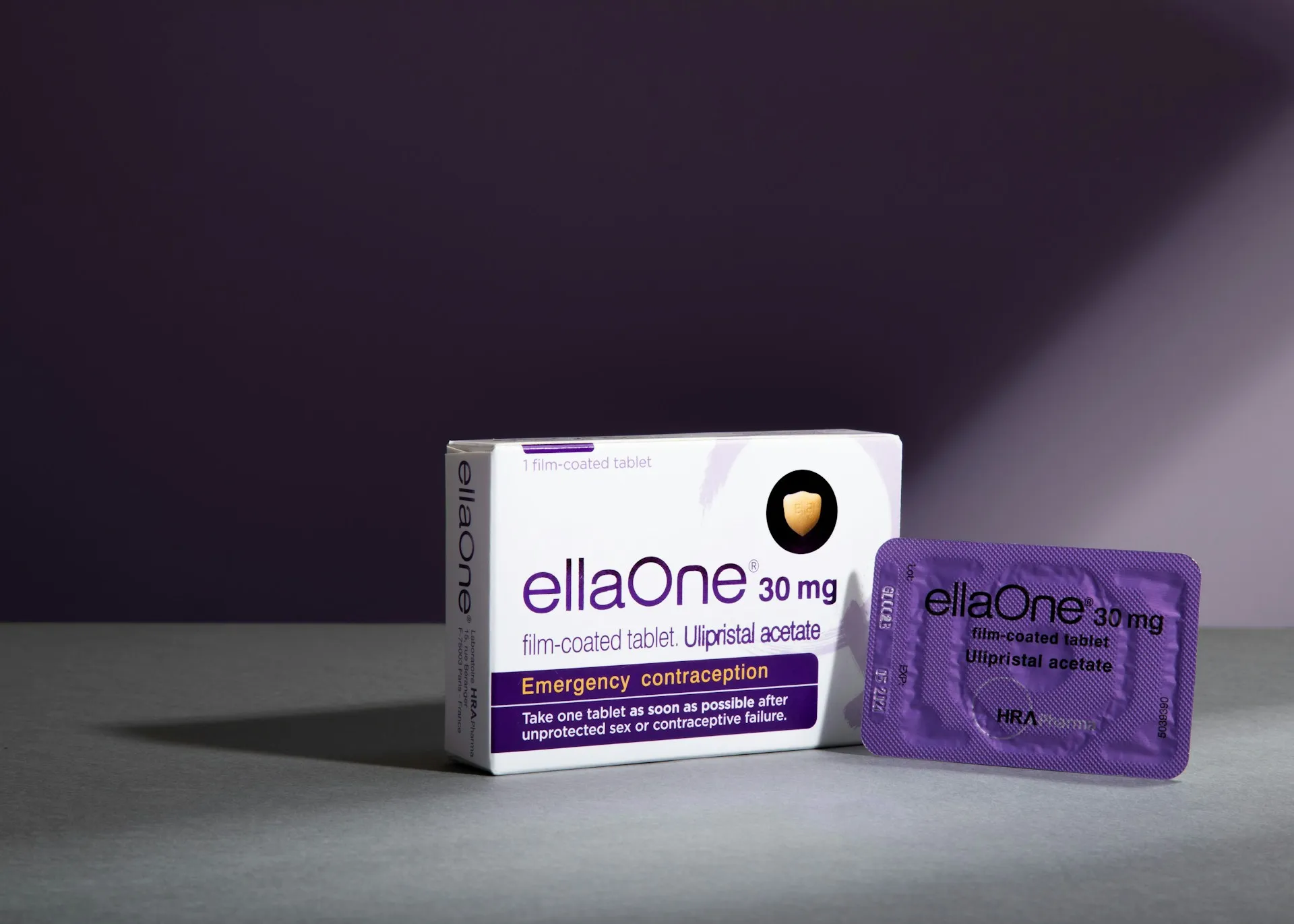
- Morning-after pill containing levonorgestrel or ulipristal acetate.
- Copper IUD inserted in a timely manner after intercourse.
Comparative studies in “Contraception Journal” indicate that both methods are effective, but differ in their mechanisms of action and the timeframe of effectiveness.

How does the morning-after pill work?
The morning-after pill is an oral form of emergency contraception and primarily works by inhibiting ovulation. If ovulation has not yet occurred, the medication can effectively prevent the release of the egg.
Levonorgestrel shows the highest effectiveness when used as soon as possible after intercourse, while ulipristal acetate may also work closer to the time of ovulation. Clinical studies clearly indicate that these medications do not work after the embryo has implanted.
Possible side effects include transient nausea, headache, or cycle disturbances, as confirmed by safety analyses published by WHO.
What is the difference between the copper IUD and the pill?
The copper IUD is the most effective method of emergency contraception if inserted in a timely manner. Its action involves creating an environment unfavorable for fertilization.
According to data from “BMJ Sexual & Reproductive Health,” this method has very high effectiveness regardless of the phase of the cycle, but requires medical intervention and an inpatient procedure.
Unlike the pill, the IUD can also serve as a long-term contraception method.
How does effectiveness depend on the timing of use?
Timing effectiveness is a key factor determining the success of emergency contraception. The sooner the method is used after intercourse, the greater the chance of preventing pregnancy.
Clinical studies show that the effectiveness of the pills decreases over time, which is due to the physiology of the ovulatory cycle. For this reason, it is not recommended to delay the decision to use emergency contraception.
Response time matters regardless of the chosen method.
What is the availability of emergency contraception in Poland?
Availability in Poland is regulated by legal provisions and medical procedures. The morning-after pill can be dispensed after certain conditions are met, and the role of medical personnel is to conduct an interview and provide reliable information.
Systematic analyses indicate that access to emergency contraception is important for public health, especially in emergency situations. Medical consultation helps reduce the risk of improper use.
However, availability does not mean permissiveness – every decision should be informed and based on medical knowledge.

Q&A – frequently asked questions about emergency contraception
Is emergency contraception the same as abortion?
No, studies clearly confirm that it works only before pregnancy occurs.
Can it be used multiple times?
Yes, but it is not recommended as a regular method of preventing pregnancy.
Are side effects dangerous?
They are usually mild and transient.
Sources
- The Lancet – reviews of the mechanisms of action of emergency contraception.
- New England Journal of Medicine – clinical studies on timing effectiveness.
- Contraception Journal – analyses of levonorgestrel and ulipristal acetate.
- World Health Organization – guidelines on emergency contraception.
li>
