
Flu Prevention in the Autumn Season: What You Should Know!

 4 lipiec 2026
 4 lipiec 2026

Do you need a prescription, sick leave, or medical consultation?
Order nowFlu prevention in the autumn season plays a key role in reducing illness, as the autumn increase in respiratory virus transmission promotes the rapid spread of infections. Effective preventive measures are based on vaccinations, hygiene, and lifestyle modifications, as confirmed by numerous epidemiological studies.
- Effective prevention requires the simultaneous application of several daily practices.
- The greatest reduction in the risk of severe illness is provided by immunization.
- Protection includes actions related to hygiene and air quality.
- Lifestyle affects immunity and the course of infections.
- Regular habits and simple preventive measures limit the transmission of viruses.
How does the flu vaccine reduce the risk of illness in autumn?
The flu vaccine works by triggering an immune response against the flu viruses, which reduces the risk of illness and severe disease.
Seasonal preparations are developed based on WHO data regarding expected variants of flu viruses, and their effectiveness is confirmed by numerous meta-analyses, especially in children, seniors, individuals with chronic diseases, and pregnant women. The introduction of annual vaccinations reduces the risk of hospitalization and complications, as well as limits transmission in the population.
An additional element of prevention is vaccination against COVID-19 and pneumococci, which – although they do not directly protect against the flu – prevent respiratory infections that may co-occur. Immunization against RSV is also increasingly used in selected risk groups.
What hygiene practices most effectively limit the transmission of the flu?
Hand hygiene is one of the basic means of preventing infections, and numerous studies confirm its effectiveness in reducing the number of respiratory infections. Washing hands with soap and water removes viral particles, while hand sanitizer serves as a supplement when access to water is limited.
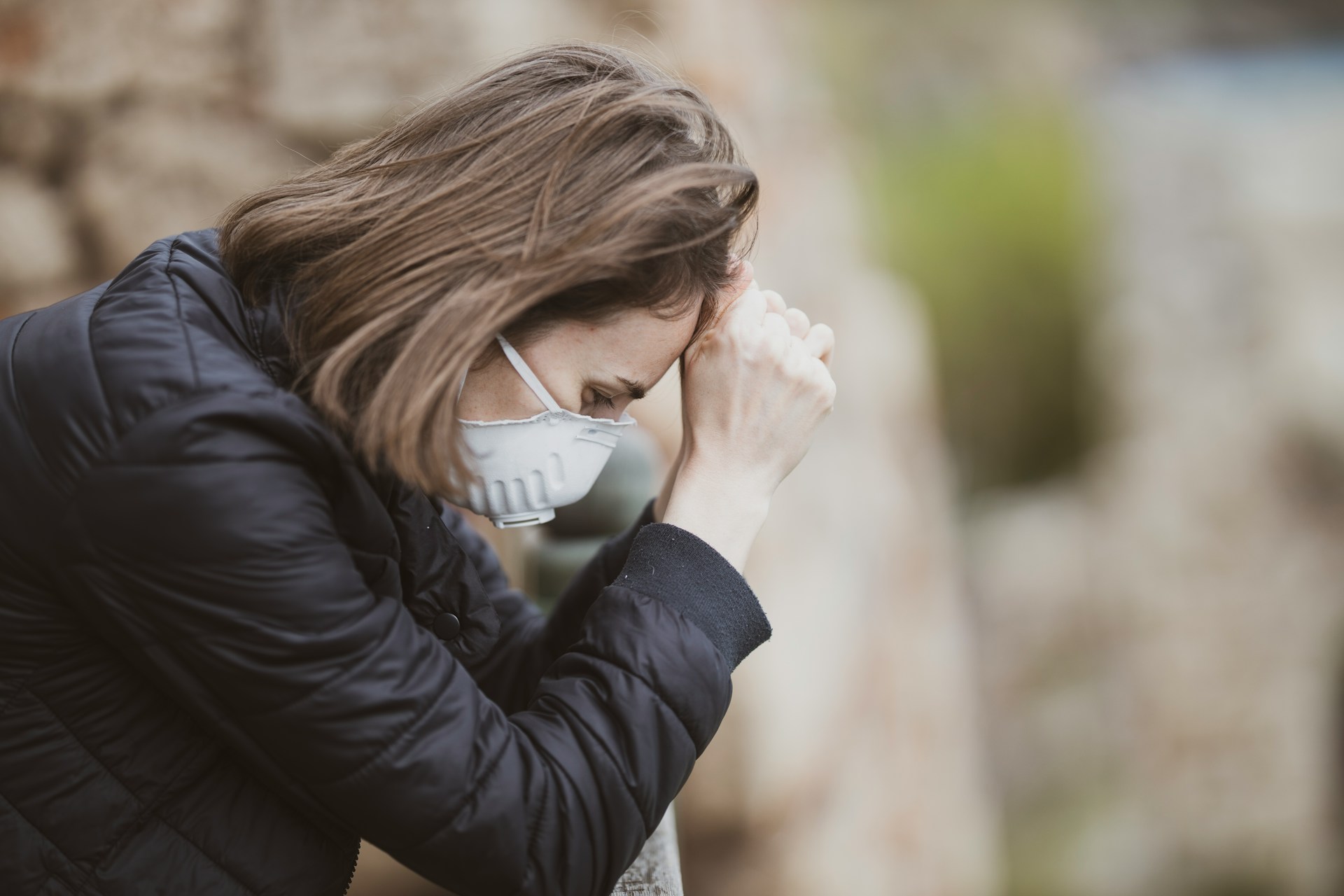
Respiratory hygiene includes using cough etiquette and wearing FFP2 or FFP3 masks in situations of increased risk, such as in crowded rooms or when in contact with sick individuals. Such actions significantly reduce the emission of infectious particles.
Additionally, it is recommended to stay home when sick, which limits transmission among household members and coworkers. In schools and offices, implementing basic hygiene principles clearly reduces the number of seasonal infection incidents.
List of the most important hygiene practices:
- Regular hand washing with soap and water.
- Using disinfectants in public spaces.
- Covering the mouth and nose when coughing or sneezing.
- Using disposable tissues.
- Limiting contact with infected individuals.
How does indoor air quality affect the risk of infection?
Indoor air quality is one of the key factors influencing the transmission of respiratory viruses, especially in autumn when more time is spent in enclosed spaces.
Ventilation reduces the concentration of viral particles, and an air purifier with a HEPA filter helps reduce aerosols in heavily used rooms. Optimal relative humidity of 40–60% stabilizes the mucous membranes of the respiratory tract, as confirmed by laboratory studies assessing the survival of flu viruses depending on environmental conditions.
A humidifier and hygrometer help maintain stable humidity, and regular disinfection of surfaces reduces the settling of pathogens on everyday items.
How does a healthy lifestyle support immunity in the autumn season?
A healthy lifestyle influences the proper functioning of immune mechanisms, and its significance in preventing infections is very well documented.
Sleep supports regeneration and modulation of the inflammatory response, so its deficiency can increase susceptibility to infections. A balanced diet provides the body with key nutrients, such as vegetables and fruits, whole grain products, legumes, fermented dairy products and pickles, as well as unsaturated fats. An important element supporting immunity is adequate vitamin D intake, and its deficiency in the autumn season is common in the European population.
Supplementation with vitamin C, zinc, and probiotics can support immune processes, although it does not replace other preventive measures. Proper hydration and care for gut microbiota are also essential, as their role in modulating immunity has been confirmed in many clinical studies.
Moderate-intensity physical activity reduces the frequency of respiratory infections, and stress management helps maintain the stability of regulatory systems. Reducing tobacco and alcohol consumption alleviates additional burdens on the body.
Additional practices supporting health in the autumn season:
- An autumn first aid kit equipped with a thermometer, pulse oximeter, and antigen tests
- Regular use of nasal sprays with seawater
- Prudent use of symptomatic medications at the first signs of infection
Questions and Answers
Does the flu vaccine work immediately?
The response develops within about 10–14 days after administration of the vaccine.
Is it safe to ventilate the apartment late in autumn?
Yes, short, intense ventilation effectively improves air exchange and does not increase the risk of hypothermia.
Does vitamin D protect against the flu?
It plays a supportive role in immunity, but it does not replace vaccination.
Are masks necessary if there are no symptoms?
In situations of high crowd density, they reduce the risk of transmission of respiratory viruses.
Does hardening or cold exposure prevent illness?
There is a lack of scientific evidence confirming the effectiveness of these methods in flu prevention.
Sources
- Jefferson T. et al. Vaccines for preventing influenza in healthy adults. Cochrane Review.
- CDC. Prevention Strategies for Seasonal Influenza.
- WHO. Recommendations for influenza vaccine composition.
- Aiello A. et al. Hand hygiene and respiratory infection prevention.
- Moriyama M. et al. The impact of humidity on viral transmission.
