
Zinc Supplements – Effects, Indications, and Safety of Use

 4 lipiec 2026
 4 lipiec 2026
Do you need a prescription, sick leave, or medical consultation?
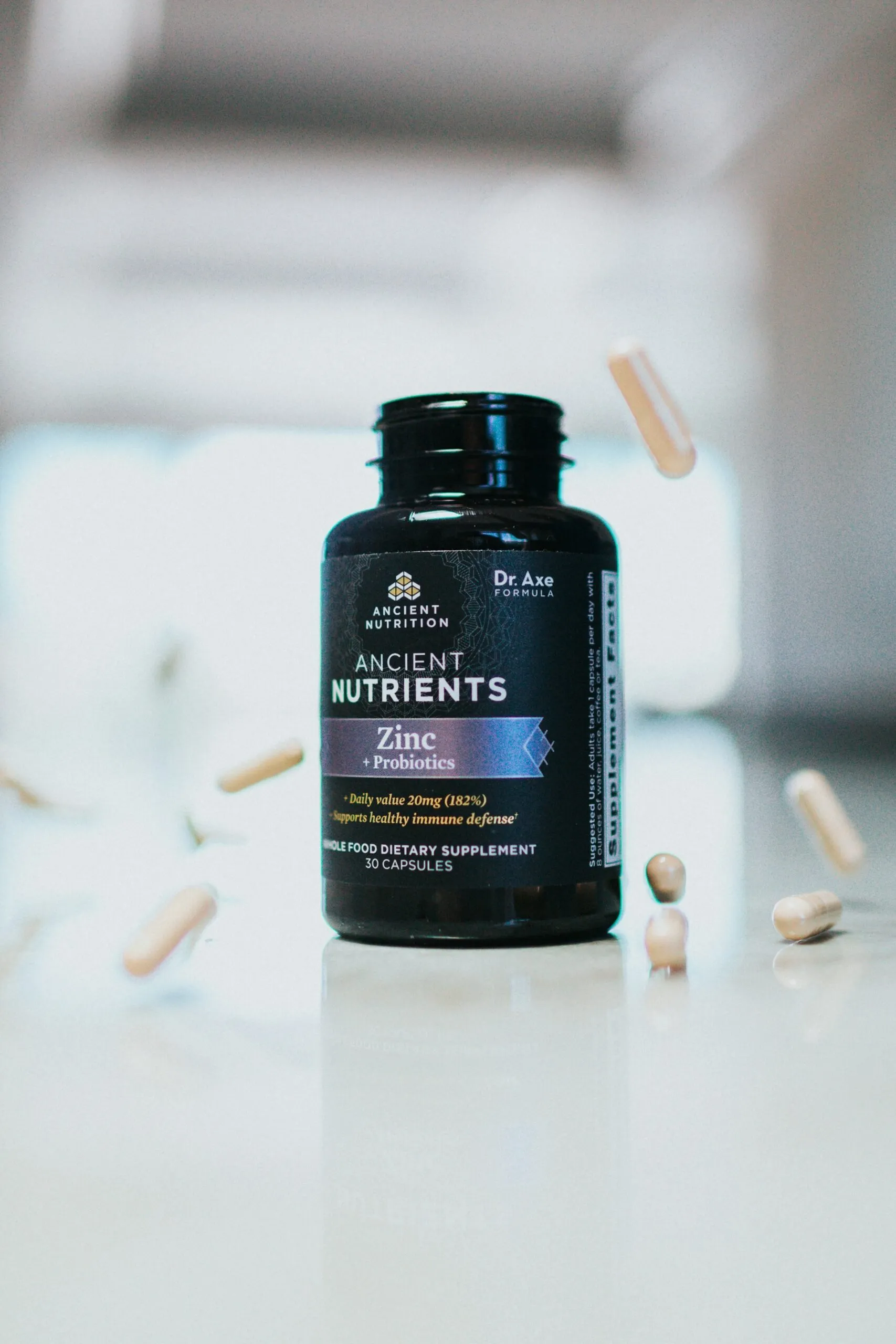
Order nowSupplements with zinc are used to supplement the deficiency of one of the key trace elements essential for the proper functioning of the body. Zinc supplements can support immunity, metabolic processes, and the functioning of the skin and hormonal system. Scientific research indicates that a deficiency of this element can lead to immune disorders, dermatological problems, and impaired regenerative processes.
- Zinc is a trace element involved in many metabolic and enzymatic processes.
- A deficiency of this element can affect the functioning of the immune system and the body’s regenerative processes.
- Supplementation may be considered in cases of insufficient dietary intake or problems with the absorption of minerals.
- Proper dosing is important for the safety and effectiveness of supplementation.
See also: Inhalations with saline for a runny nose – action, effectiveness, and rules for use
What role does zinc play in the human body?
Zinc is a trace element that participates in many biological processes related to the functioning of the immune system, cellular metabolism, and protein synthesis.
As one of the key trace elements, it is involved in the action of numerous enzymes and processes regulating cell division and tissue regeneration. For this reason, its appropriate level is essential for the proper functioning of the body.
Research indicates that zinc plays an important role in the functioning of the immune system by influencing the activity of immune cells and inflammatory processes. A deficiency of this element can increase susceptibility to infections and prolong their duration.
Zinc also participates in processes related to skin function, hormone metabolism, and tissue regeneration processes.
How to recognize zinc deficiency and what can be its causes?
Zinc deficiency occurs when the amount of this element supplied to the body is insufficient relative to the demand.
The most common causes of deficiency include an improperly balanced diet, disorders of mineral absorption, and increased demand for trace elements by the body.
Some groups of people may be more susceptible to a deficiency of this element. This includes individuals following elimination diets or diets with limited animal product content.
Possible symptoms of deficiency include:
- Impaired wound healing
- Deterioration of skin condition
- Weakening of hair and nails
- Increased susceptibility to infections
In some cases, zinc deficiency may also be associated with hormonal disorders or problems with nutrient metabolism.
What forms of zinc are used in dietary supplements?
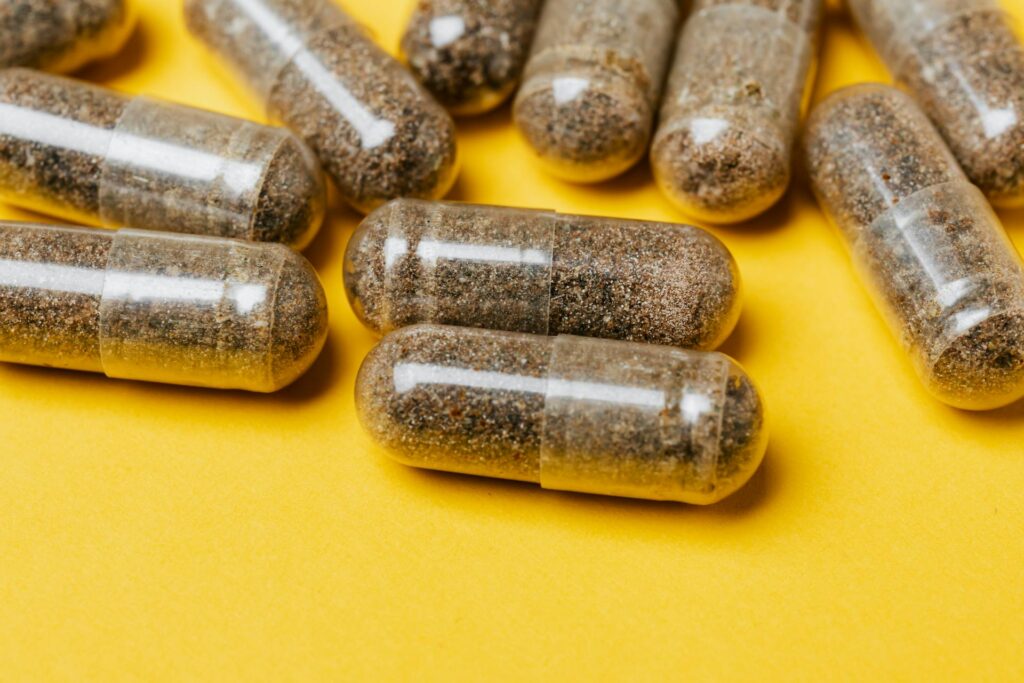
Supplements containing zinc can come in various chemical forms, which differ in absorption rates and bioavailability.
The most commonly used forms include:
- Zinc citrate
- Zinc picolinate
- Zinc gluconate
These forms are used in dietary supplements due to their good solubility and relatively high bioavailability. Zinc-containing preparations are available in various forms, such as tablets, capsules, or drops.
Research on the absorption of minerals indicates that the bioavailability of zinc may also depend on other dietary elements. Some nutrients can affect its absorption in the gastrointestinal tract.
What is the significance of zinc supplementation for immunity and skin health?
Zinc supplementation can support the functioning of the immune system and the body’s regenerative processes.
Clinical studies indicate that zinc plays a significant role in regulating the immune response. Its appropriate level in the body affects the activity of immune cells and inflammatory processes related to infections.
This element also participates in skin regeneration processes and the healing of tissue damage. For this reason, it is sometimes used as a supportive element in the treatment of dermatological issues, such as acne.
Potential benefits of maintaining an adequate level of zinc include:
- Support for immune system functioning
- Participation in tissue regeneration processes
- Impact on skin condition
- Participation in the regulation of hormonal processes
Some studies also suggest a link between zinc levels and the functioning of the hormonal system and processes related to fertility.
How to safely use zinc-containing supplements?
Zinc supplementation should be conducted according to dosing recommendations and the individual needs of the body.
Excessive doses of this element can disrupt the balance of other trace elements in the body. This particularly applies to components such as copper or iron, whose metabolism may be linked to zinc levels.
Therefore, with long-term supplementation, it is important to maintain appropriate dosing and consider other nutrients in the diet.
Basic principles of safe supplementation include:
- Adhering to dosing recommendations for zinc
- Considering zinc intake in the daily diet
- Consultation with a doctor in case of long-term supplementation
- Caution during special life periods, such as pregnancy
Experts emphasize that supplementation should not replace a properly balanced diet, which remains the primary source of micronutrients.
Q&A Section
Do zinc supplements support immunity?
Research indicates that zinc plays a crucial role in the functioning of the immune system and may influence the course of infections.
Who is most at risk of zinc deficiency?
The risk of deficiency may be higher in individuals following restrictive diets, with mineral absorption disorders, and with increased bodily demand.
Can zinc be taken daily?
Zinc supplementation can be taken daily, but it should be done according to dosage recommendations.
Is excess zinc harmful?
Taking too high doses can disrupt the balance of other micronutrients and cause adverse effects.
Sources
- Prasad A.S. Zinc in human health: effect of zinc on immune cells. Molecular Medicine.
- Wessels I., Maywald M., Rink L. Zinc as a gatekeeper of immune function. Nutrients.
- Hambidge K.M., Krebs N.F. Zinc deficiency: a special challenge. Journal of Nutrition.
- Read S.A. et al. The role of zinc in antiviral immunity. Advances in Nutrition.
- Brown K.H. et al. International Zinc Nutrition Consultative Group. Food and Nutrition Bulletin.
