
Cold Air and Shortness of Breath – Why Does Cold Make Breathing Difficult?

 4 lipiec 2026
 4 lipiec 2026

- How does cold air affect the airways?
- Why does shortness of breath worsen in cold air?
- What is the role of asthma and COPD in response to cold air?
- Why does physical exertion in the cold increase the risk of symptoms?
- What symptoms may accompany shortness of breath caused by cold?
- How to reduce shortness of breath related to cold air?
- Q&A Section
Do you need a prescription, sick leave, or medical consultation?
Order nowCold air and shortness of breath is a relationship well described in clinical studies, particularly in individuals with respiratory diseases, but also in some of the population without diagnosed conditions. Contact with cool, dry air can lead to bronchial constriction, increased coughing, and a subjective feeling of breathlessness.
- Cold air promotes bronchial constriction and irritation of the airways.
- Shortness of breath occurs more frequently in individuals with asthma and COPD.
- Symptoms can also appear in healthy individuals during exertion.
- Studies confirm the role of inflammatory response and drying of the mucosa.
See also: Flu prevention in the autumn season: what you should know!
How does cold air affect the airways?
Cold air affects the airways through rapid cooling and drying of the inhaled air. This stimulus leads to irritation of the mucous membrane and disruption of its protective functions.
Physiological studies have shown that low temperatures cause rapid evaporation of water from the surface of the mucosa. The result is dryness and increased susceptibility to micro-injuries and inflammatory response. The body reacts defensively by increasing mucus secretion.
These changes promote narrowing of the airway lumen, which in some individuals manifests as a feeling of difficulty breathing after a short exposure to cold.
Why does shortness of breath worsen in cold air?
Shortness of breath in contact with cold air is most often a consequence of bronchial constriction. This mechanism, referred to as bronchospasm, leads to reduced airflow and increased respiratory resistance.
Clinical studies show that cold air can trigger shortness of breath even in individuals without diagnosed lung disease, especially during rapid breathing. These symptoms are often accompanied by wheezing and a feeling of pressure in the chest.
Additionally, coughing caused by irritation of receptors in the airways can amplify the subjective sensation of breathlessness.
What is the role of asthma and COPD in response to cold air?
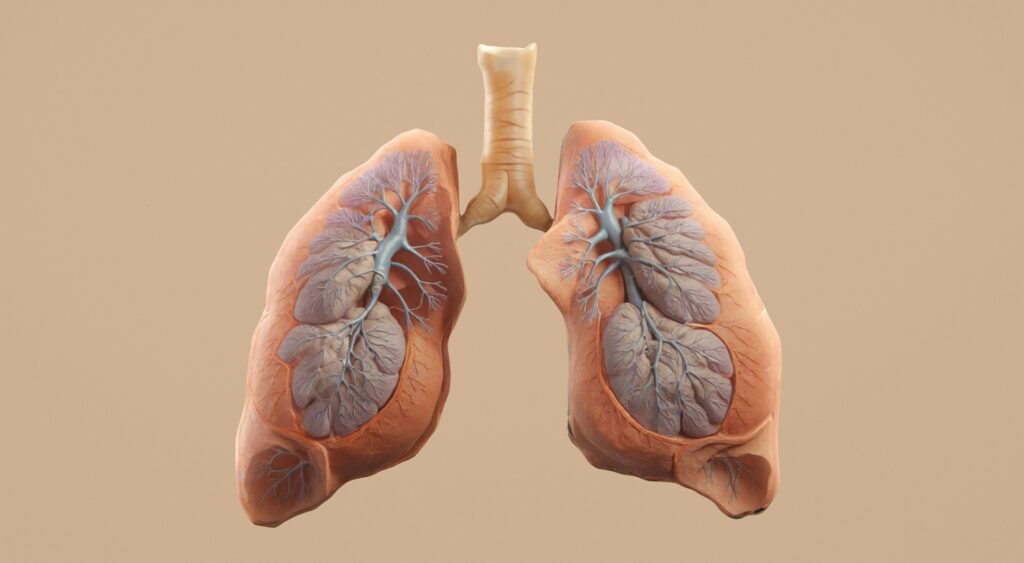
Asthma and COPD are conditions characterized by airway hyperreactivity. Cold air is one of the more common triggers for symptoms in these diseases.
In asthma, exposure to cold can lead to a sudden bronchial constriction, especially in combination with physical exertion. This phenomenon is referred to as exercise-induced asthma and has been widely described in population studies.
In COPD, cold air exacerbates shortness of breath by increasing resistance in the airways and intensifying chronic inflammation. Studies show that winter months are associated with more frequent exacerbations of the disease.
Why does physical exertion in the cold increase the risk of symptoms?
During physical exertion, breathing becomes faster and deeper, which causes a greater amount of cold air to be inhaled in a shorter time. This reduces the ability to warm and humidify the air in the upper airways.
Experimental studies show that intense exertion in low temperatures promotes sudden bronchial constriction and intensification of the inflammatory response. In predisposed individuals, this can lead to sudden shortness of breath even after a few minutes of activity.
For this reason, symptoms often appear in runners, skiers, and individuals working physically outdoors during the winter.
What symptoms may accompany shortness of breath caused by cold?
Shortness of breath caused by cold air rarely occurs as the only symptom. It is most often accompanied by other respiratory complaints.
Typical symptoms include:
- Wheezing and coughing.
- Pressure or discomfort in the chest.
- Worsening of symptoms during physical exertion.
Clinical studies indicate that the persistence of these symptoms after exposure to cold may indicate a chronic disease requiring diagnosis.

How to reduce shortness of breath related to cold air?
Management depends on the cause and severity of symptoms. In individuals with diagnosed asthma or COPD, regular use of treatment prescribed by a doctor is essential.
Studies have shown that bronchodilators and inhaled corticosteroids reduce airway hyperreactivity and limit the impact of cold air. Covering the mouth and nose with a scarf is also helpful, as it warms the inhaled air.
In the case of recurrent shortness of breath, consultation with a specialist, such as a pulmonologist or allergist, is recommended to determine the cause and optimal treatment.
Q&A Section
Can cold air cause shortness of breath in a healthy person?
Yes, especially during intense physical exertion or at very low temperatures.
Do shortness of breath in winter always indicate asthma?
No, but recurrent symptoms require diagnosis for respiratory diseases.
How quickly do symptoms subside after entering a warm room?
In most individuals, symptoms ease within a few minutes, but in patients, they may persist longer.
Sources
- Anderson SD, et al. Mechanisms of exercise-induced bronchoconstriction. Journal of Allergy and Clinical Immunology.
- Kallings LV, et al. Cold air exposure and airway responses. European Respiratory Journal.
- Global Initiative for Asthma (GINA). Global Strategy for Asthma Management and Prevention.
