
How to read medication leaflets to avoid side effects?

 4 lipiec 2026
 4 lipiec 2026
- What is a medication leaflet and why should it be read in full?
- How to correctly interpret medication dosing?
- Why are contraindications crucial for safety?
- How to understand drug interactions described in the leaflet?
- How to read the list of side effects without unnecessary fear?
- Why is it important to pay attention to medication storage?
- Questions and answers
Do you need a prescription, sick leave, or medical consultation?
Order nowHow to read medication leaflets is a key skill that significantly impacts the safety of therapy. Although leaflets can be lengthy and written in medical language, they contain essential information for the proper use of the product, limitations on the risk of side effects, and avoidance of dangerous interactions. Being aware of the leaflet allows for better health protection and prevents treatment errors.
- The leaflet contains key data for the safe use of the medication.
- Side effects are not random and often depend on the method of administration.
- Dosing and contraindications have a direct impact on the risk of complications.
- Skipping parts of the leaflet increases the likelihood of side effects.
See also: How long is an online prescription valid? Discover key information!
What is a medication leaflet and why should it be read in full?
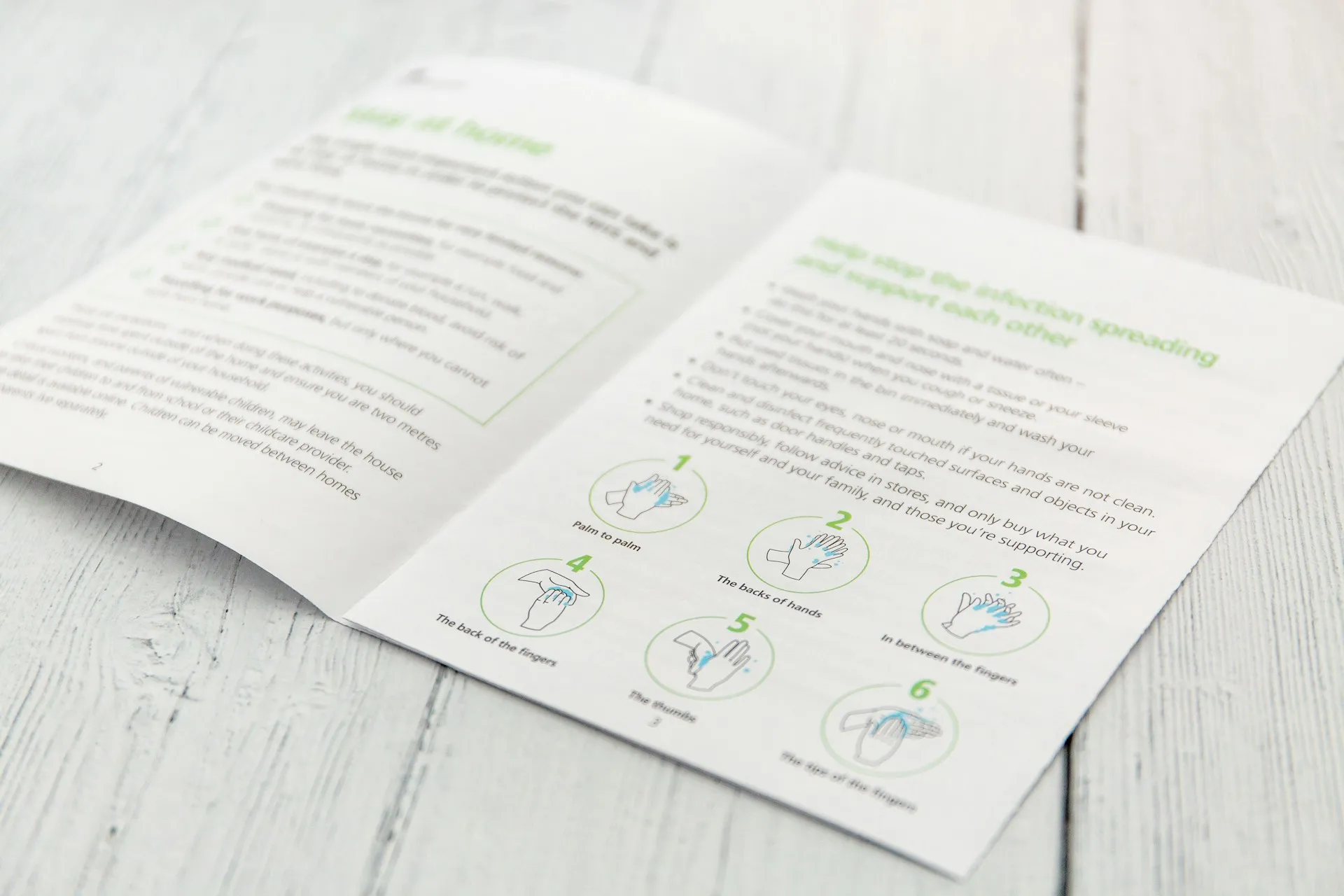
A medication leaflet is an official document approved by regulatory agencies that contains a complete set of information about a given product. Its content is based on clinical trial results and post-marketing observations, making it a reliable source of knowledge for the patient.
This document is not just a formal addition to the packaging. The information contained within aims to minimize the risks associated with therapy, including the occurrence of side effects and improper use of the medication.
Studies show that patients who read leaflets in full are less likely to make dosing errors and more often respond correctly to concerning symptoms.
How to correctly interpret medication dosing?
Dosing specifies not only the amount of medication but also the frequency and timing of its use. Each of these elements is significant for the effectiveness and safety of therapy.
Exceeding the recommended dose increases the risk of overdose, while taking too small amounts can lead to treatment ineffectiveness. It is equally important to adhere to recommendations regarding the time of day and relation to meals.
Pharmacokinetic studies indicate that even slight deviations from the dosing schedule can alter the concentration of the active substance in the blood and affect the profile of side effects.

Why are contraindications crucial for safety?
Contraindications describe situations in which the use of the medication may be dangerous. They may relate to specific diseases, physiological conditions, or patient characteristics.
Ignoring this part of the leaflet is one of the most common causes of serious side effects. Contraindications include, among others, the risk of exacerbating chronic diseases or the occurrence of serious complications.
Drug safety analyses show that a significant portion of hospitalizations related to side effects results from non-compliance with contraindications described in the leaflet.
How to understand drug interactions described in the leaflet?
Drug interactions are mutual effects between different substances that can alter their action. The leaflet informs which products or substances should be used with caution.
Interactions can lead to both a weakening of the therapeutic effect and an intensification of side effects. This also applies to over-the-counter products and dietary supplements.
Epidemiological studies indicate that the risk of side effects significantly increases with the number of concurrently used medications, making this part of the leaflet particularly important.
- Interactions can increase the toxicity of the medication.
- Not all interactions are immediately symptomatic.
- Every new medication should be checked for interactions.
How to read the list of side effects without unnecessary fear?
Side effects are listed in the leaflet according to their frequency of occurrence, not severity. This means that most of them occur rarely or very rarely.
This list is informational and serves to help the patient recognize symptoms that require contacting a doctor. It should not be assumed that all described side effects will occur in every person.
Research on risk perception shows that properly understanding this section reduces unnecessary anxiety while improving patient vigilance.
Why is it important to pay attention to medication storage?
Safe use of medications includes not only their intake but also proper storage. Conditions such as temperature, humidity, or light exposure can affect the stability of the product.
Improper storage can lead to reduced effectiveness of the medication or the formation of degradation products that increase the risk of side effects.
Pharmaceutical stability studies clearly indicate that following storage recommendations is an integral part of therapy safety.
- Storage affects the quality of the medication.
- Changes in the properties of the product may be invisible.
- The leaflet contains specific guidelines regarding conditions.

Questions and answers
Do you need to read the leaflet if the medication was prescribed by a doctor?
Yes, because the leaflet complements the information.is provided by the doctor and contains details important for daily use.
Are all side effects dangerous?
No, most of them are mild and occur rarely, however, some require urgent consultation.
What to do if the leaflet content is unclear?
In such a situation, one should consult a pharmacist or doctor, rather than interpreting the information independently.
Sources
- Edwards IR, Aronson JK. Adverse drug reactions: definitions, diagnosis, and management. The Lancet.
- McDonnell PJ, Jacobs MR. Hospital admissions resulting from preventable adverse drug reactions. Annals of Internal Medicine.
- EMA. Guideline on the readability of the labelling and package leaflet of medicinal products.
